Distinguishing contact reactions from IgE-mediated allergy, when to refer and more…
It’s now well established that early introduction of allergens is key to preventing food allergies, but what about when things don’t go exactly as planned? In this article we’ll cover different types of reactions, when to refer, and a word about allergy testing.
Distinguishing contact reactions from IgE-mediated allergy
Not all reactions to allergens represent IgE-mediated allergy. Recognising which are contact reactions can help prevent unnecessary food avoidance.
Contact reactions typically appear as flat, blotchy redness localised to the perioral area. The infant usually remains well and content, and the rash settles quickly once the food is wiped away (usually within 5–15 minutes). Importantly, there are no other signs or symptoms consistent with an IgE mediated allergic reaction.
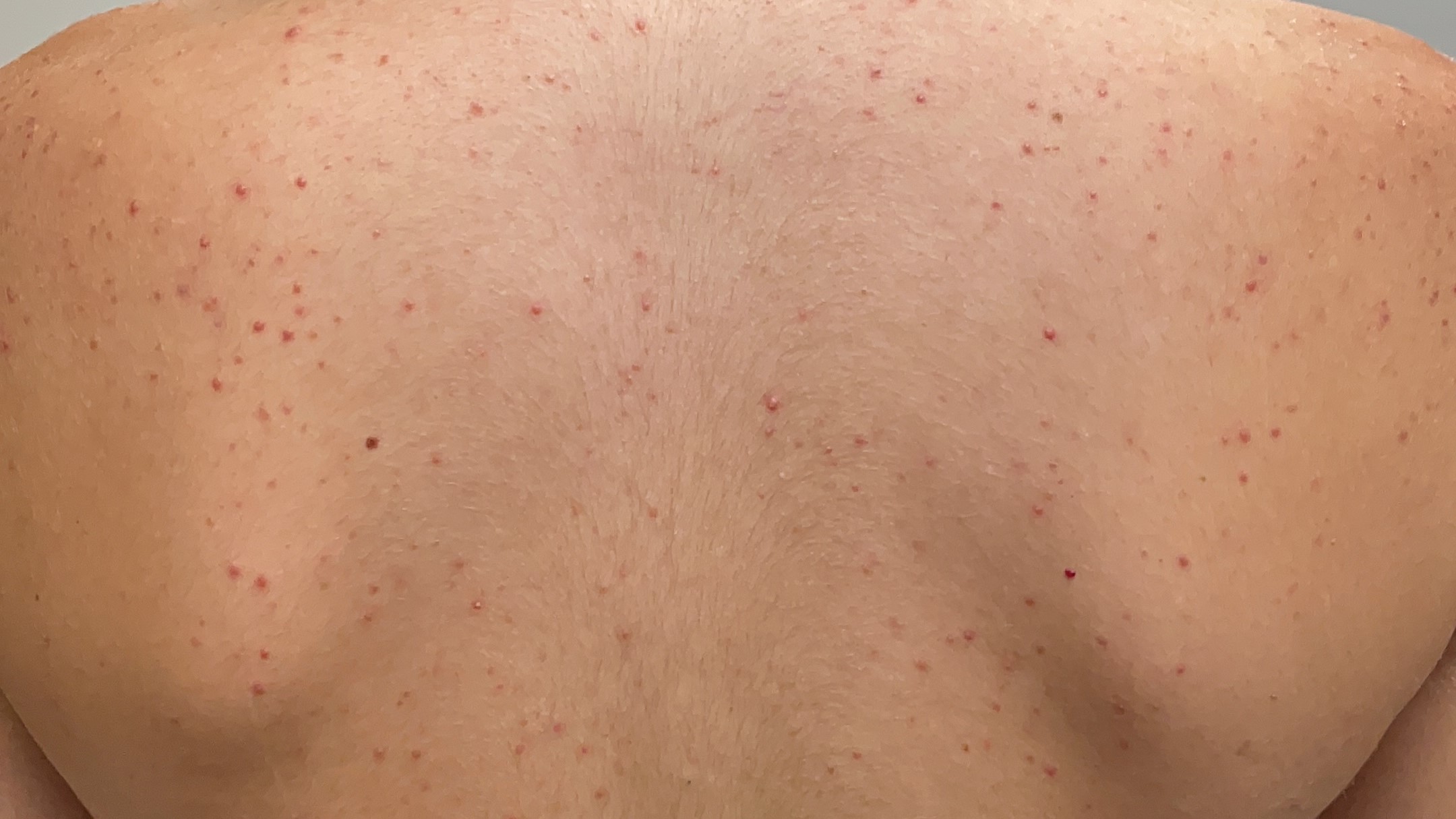
In comparison, IgE-mediated reactions involve raised, pale, itchy hives, often extending beyond the mouth. These rashes are sometimes accompanied by face, lip, eyelid or ear swelling and vomiting, or signs and symptoms of anaphylaxis in severe cases. Symptoms typically begin within minutes, although can occur up to two hours after ingestion, and generally persist for 30-60 minutes, sometimes longer, after ingestion. Anaphylaxis can happen in this setting, but it is rare in infants when following a cautious, graded home introduction plan.
If the presentation is consistent with a contact reaction, it is reasonable to discuss cautious reintroduction at home. Advise starting at a smaller dose than was previously given, use a barrier cream and feed the infant directly. If there’s no reaction, they can increase that amount gradually each day until they get up to 1–2 teaspoons.
There is a persistent myth that subsequent exposures are inevitably more severe. Severity depends on multiple factors, including amount of food ingested. A carefully graded reintroduction can be appropriate when the initial event was mild and consistent with contact irritation.
Practice tip: Remind families that reaction severity does not necessarily increase with subsequent exposures; this is a common misconception.
Managing confirmed reactions
If there has been a clear IgE-mediated reaction (for example hives with swelling or vomiting), advise avoidance of the culprit food, provide an allergy action plan, and refer to an allergist.
Importantly, encourage the family to continue introducing other allergens at home. Most children are allergic to only one food, and avoiding unrelated allergens whilst waiting to see an allergist may increase the risk of developing new allergies in this timeframe.
Refer to an allergist if there is diagnostic uncertainty around the type of reaction experienced, or when families are not confident to continue reintroduction at home after a suspected reaction.
Non-IgE mediated reactions
Non-IgE-mediated reactions such as food protein–induced enterocolitis syndrome (FPIES) are less common, but should be considered if the infant presents with delayed, profuse vomiting two to four hours after ingestion, often with pallor and lethargy. Triggers can include common allergens as well as rice, oats, avocado, sweet potato, banana and chicken.
Infants with FPIES need to avoid the trigger, and should be referred to an allergist and receive an FPIES action plan. As most children react to only one food, other allergens should continue to be introduced where appropriate, ideally before specialist review.
The role, and limits, of allergy testing
Skin prick testing and specific IgE blood testing are highly sensitive, particularly in infants with eczema, and can produce false positives. Children should not be sent for allergy testing before the food is introduced, as results are difficult to interpret and it may lead to unnecessary avoidance. In general, these tests should only be performed after assessment by an allergist.
Do not order broad “staple food group” RadioAllergoSorbent Test (RAST) panels; they are uninformative and unhelpful.
A positive test indicates sensitisation but does not confirm clinical allergy. In population-based studies such as the HealthNuts study, many children showed sensitisation (positive skin prick test or specific IgE) but were not allergic when foods were introduced under supervision.
Practice tip: Do not test before tasting. In the absence of a reaction, pre-emptive testing creates more problems than it solves.
If an allergy test has already been performed but does not match the clinical history, refer to an allergist for review. For example, a positive skin prick or specific IgE test despite tolerated ingestion, or positive testing before the food has ever been eaten.
Key takeaways - Distinguish contact reactions (flat, localised, transient) from IgE-mediated allergy (raised, itchy hives ± systemic features).
- Cautious re-trial at home is appropriate in contact-only reactions.
- Avoid pre-emptive allergy testing before ingestion; false positives are common and may lead to unnecessary food avoidance, which increases the risk of actual food allergy developing.
- Refer to an allergist after confirmed IgE-mediated or FPIES reactions, when diagnostic uncertainty exists, when families are not confident to continue reintroduction, or when allergy testing does not match the clinical history.
For more on this topic, read this article here.
Resources
Several useful resources are available to support families with clear, step-by-step guidance. These include: