

Oncology

Clinical Articles iconClinical Articles

A recently published study claims to have found a link between having had ten or more sexual partners and an increased risk of cancer. But it’s not as simple as that.While having a sexually transmissible infection (STI) can increase the risk of certain types of cancer, using a person’s lifetime number of sexual partners as a marker of their likely sexual health history is one of several flaws in this research.

Clinical Articles iconClinical Articles

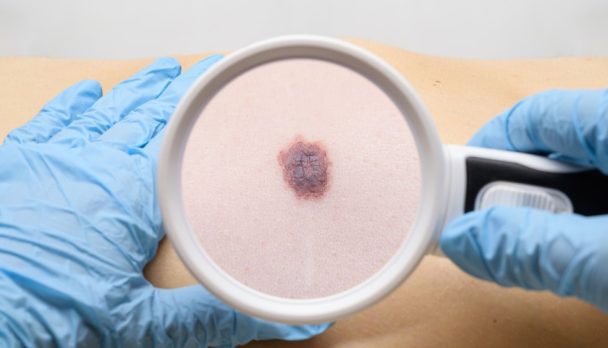
Not only are immunosuppressed people at increased risk of developing skin cancer, new research shows the skin cancer they get is more likely to be aggressive and multifocal.According to the retrospective study of a cohort of almost 800 patients who had been treated for cutaneous SCC of the head and neck at a US tertiary cancer care centre, immunosuppression was found to be independently associated with a worse outcome.

Clinical Articles iconClinical Articles

The latest updated version of the clinical practice guidelines for keratinocyte cancer are now available and worth checking out, especially if you do a lot of skin work.Keratinocyte cancer is the new way to talk about non-melanoma skin cancer and basically refers to basal cell carcinomas and squamous cell carcinomas.The new guidelines, which were developed by an Australian ‘non-remunerated working group’, incorporate a number of recent developments in the non-surgical treatment of these cancers. They provide suitable options for treating more advanced and metastatic cancers, and give guidance on how to manage patients who are believed to be at greater risk of developing these cancers, eg those who are on immunosuppression therapy.

Clinical Articles iconClinical Articles

CancerAid is a free app designed by two Australian oncologists for people affected by cancer and their carers.The motivation behind this app’s development was to improve cancer care outcomes by engaging patients in their own care. Patients using the app can monitor treatments, find resources, manage side-effects and read others’ experiences, thereby developing an effective support network. The technology also allows patients to share information (if they want to) with family and friends as well as relevant health professionalsThe information on the CancerAid app is both evidence-based and constantly updated, so doctors can be very comfortable recommending it to their patients.

Upcoming Healthed Webcast

Tune in for "Facial rashes case studies - Practical guide to assessment and management" lecture

Tuesday 9th June, 7pm - 9pm AEST

Speaker

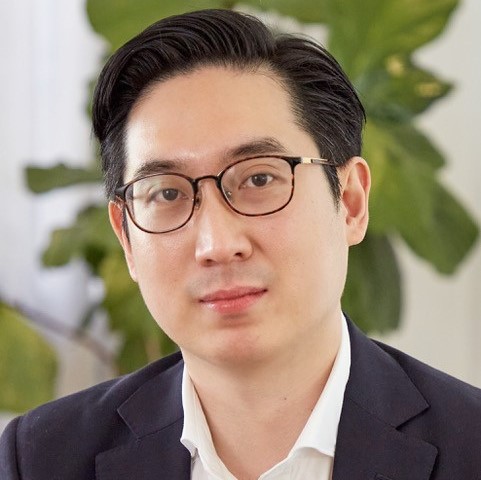
Dr Philip Tong

Consultant Dermatologist; Founder, DermScreen, Dermatology Junction; Visiting Medical Officer, St Vincent’s Hospital Sydney

What does it mean when a facial red rash does not respond to topical steroids and gets worse with the treatment? Dermatologist Dr Philip Tong presents a series of cases with this scenario.