Parvovirus Infection: Trivial Except when It’s Not

Dr Ian Chambers

writer

Dr Ian Chambers

Dr Ian Chambers

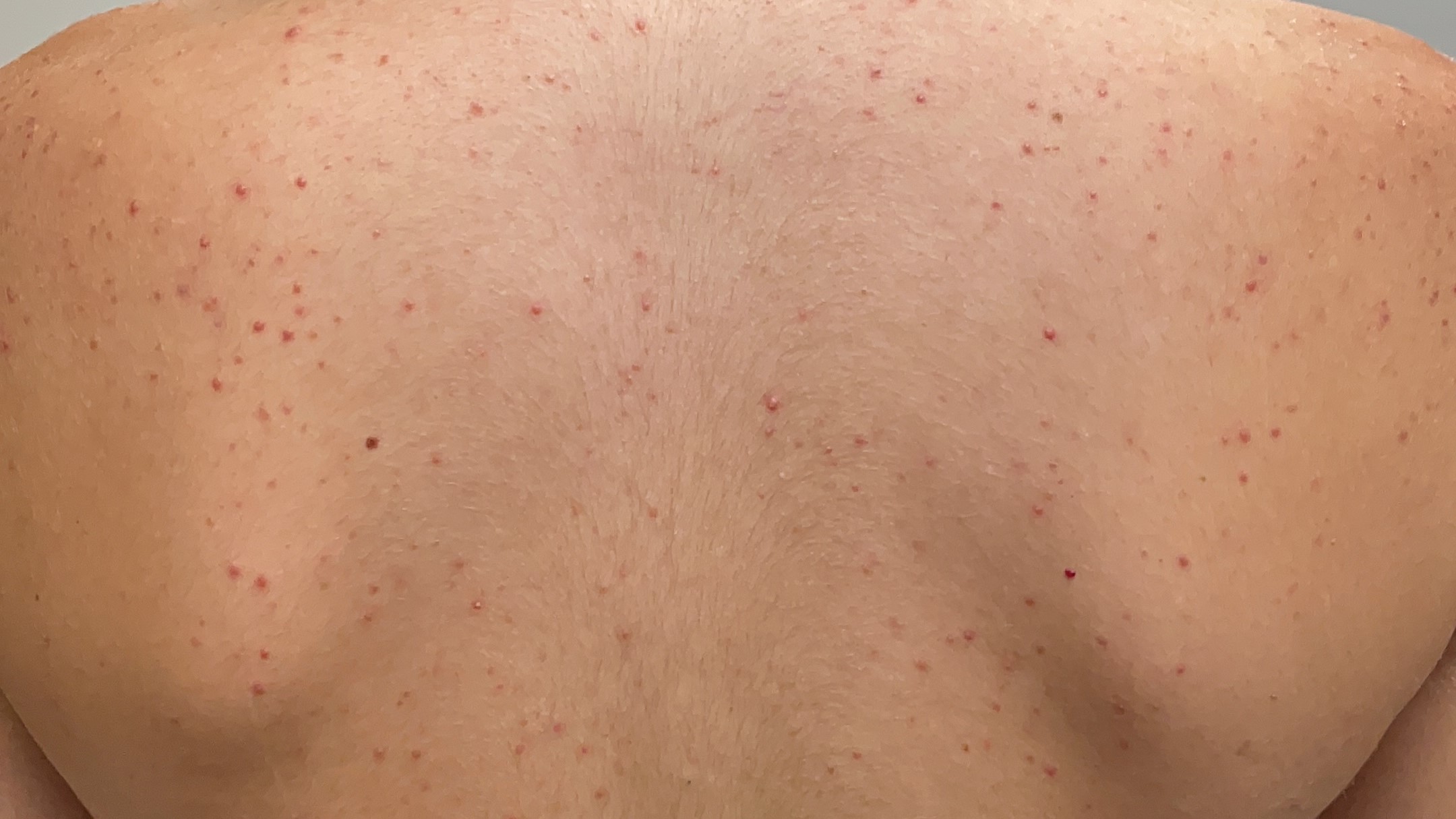
Each year, around late winter to spring, we see an increase in the number of serologically-confirmed infections with parvovirus B19. These infections are usually trivial in nature and benign in outcome, but there are important exceptions to this rule. This article will review the typical presentation and course of infection with parvovirus B19, discuss its potential adverse outcomes and in whom that potential is greatest.

Parvovirus B19 was discovered and named in 1975 by virologists working at the University of Sydney. It is the predominant genotype (of three) which are pathogenic for humans. Infection is common, occurring sporadically and in clusters, it has a clear seasonality (late winter through to spring) and also has an epidemic cycle with a 4–5 year periodicity.

While 50–80% of adults have parvovirus IgG and are regarded as immune, there remains a significant proportion of the adult population who are susceptible to infection.


PASSWORD RESET

Forgot your password or password not working? Please enter your email address. You will receive an email with the link to set a new password.

Icon 2

NEXT LIVE Webcast

:
Days
:
Hours
:
Minutes
Seconds
A/Prof Debbie Rigby

A/Prof Debbie Rigby

Why Inhaler Device Design and Technique Matters

Dr Philip Tong

Dr Philip Tong

Facial Rashes Case Studies – Practical Guide to Assessment and Management

Dr Rupert Hinds

Dr Rupert Hinds

Abdominal Pain in Children – Practical Approach in GP

Prof Roger Chen

Prof Roger Chen

Practical Guide to Improving Control of T2D

Join us for the next free webcast for GPs and healthcare professionals

High quality lectures delivered by leading independent experts

Once you confirm you’ve read this article you can complete a Patient Case Review to earn 0.5 hours CPD in the Reviewing Performance (RP) category.

Select ‘Confirm & learn‘ when you have read this article in its entirety and you will be taken to begin your Patient Case Review.

Upcoming Healthed Webcast

Tune in for "Facial rashes case studies - Practical guide to assessment and management" lecture

Tuesday 9th June, 7pm - 9pm AEST

Speaker

Dr Philip Tong

Consultant Dermatologist; Founder, DermScreen, Dermatology Junction; Visiting Medical Officer, St Vincent’s Hospital Sydney

What does it mean when a facial red rash does not respond to topical steroids and gets worse with the treatment? Dermatologist Dr Philip Tong presents a series of cases with this scenario.