Women’s Health

Earning CPD by listening to Healthed podcasts is simple. Each episode is eligible for Educational Activities CPD.

Filter results

0.5 EA, 0.5 RP, 1 MO

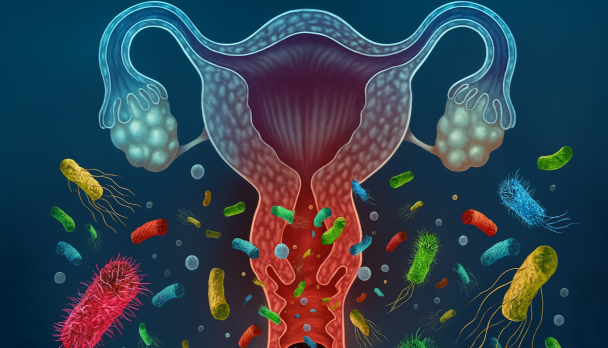
Dr Rebecca Mackenzie-Proctor outlines how hormonal shifts, antibiotics and lifestyle factors influence vaginal microbiome health and shares practical, evidence-aligned ways clinicians can support patients with recurrent symptoms.

0.5 EA, 0.5 RP

Prof Deborah Bateson AM explains on how different oestrogens work, how they affect safety and metabolism, and how this knowledge supports better contraceptive and MHT choices.

0.5 EA, 0.5 RP

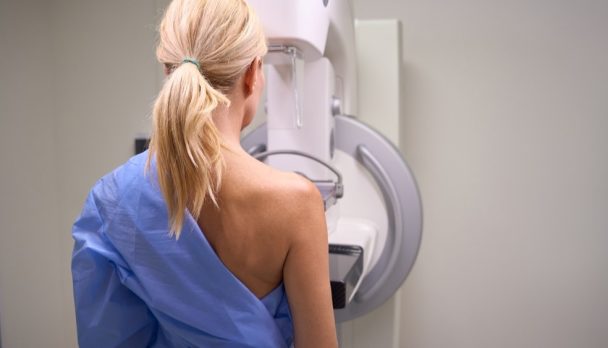
In today’s episode, Dr Susan Hawes discusses breast density, modern oncoplastic techniques and the evolving approach to axillary management.

Expert/s: Dr Susan Hawes
0.5 EA, 0.5 RP

In today's episode, Dr Alison Wimms highlights how hormonal changes and subtle symptoms make sleep apnoea in women easy to miss in clinical practice.

0.5 EA, 0.5 RP

This episode explores the evolving landscape of fetal Rhesus screening in pregnancy care, featuring expert insights from A/Prof Marina Berbic and Jessica Clarke. Learn how advances in cell-free DNA testing are reshaping anti-D immunoglobulin use, why updated national guidelines matter, and what healthcare professionals need to know about ordering, timing, and interpreting results.

0.5 EA, 0.5 RP

Ehlers-Danlos syndrome and hypermobility are more common than you think. Dr Jason Lam and physiotherapist Leanne Scown unpack the key signs to look for, why early recognition matters, and how healthcare professionals can lead coordinated, effective care for these often-overlooked patients

0.5 EA, 0.5 RP

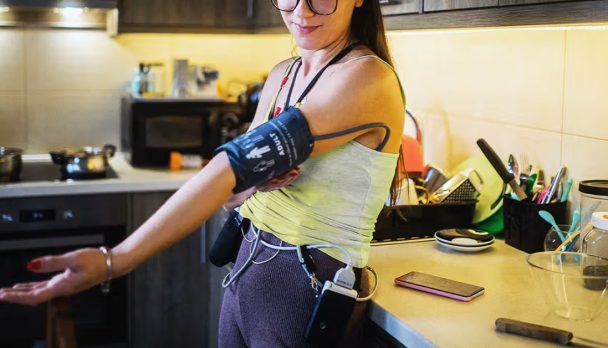
Marie Claire Seely discusses how primary care clinicians can better recognise, assess and support patients living with POTS and other forms of dysautonomia.

0.5 EA, 0.5 RP

Jessica Taylor discusses early recognition and practical strategies to help you better support patients living with endometriosis.

Expert/s: Jessica Taylor
0.5 EA, 0.5 RP

Hidden brain injuries from domestic abuse often go unnoticed. Lara Graves shares practical tips for healthcare professionals on spotting symptoms, asking the right questions, and supporting patient safety and recovery.

Expert/s: Lara Graves
0.5 EA, 0.5 RP

Prof Thierry Vancaillie provides an insightful discussion on recognizing and managing vulval pain, from the underlying mechanisms to the exploration of promising new topical therapies.

0.5 EA, 0.5 RP

Dr Joe Dusseldorp discusses modern breast reconstruction techniques, patient decision-making, and the innovations shaping recovery and outcomes.

0.5 EA, 0.5 RP

Dr Nicholas Lotz shares insights on treating patients seeking blepharoplasty and abdominoplasty.

Dr Rebecca Mackenzie-Proctor outlines how hormonal shifts, antibiotics and lifestyle factors influence vaginal microbiome health and shares practical, evidence-aligned ways clinicians can support patients with recurrent symptoms.

Prof Deborah Bateson AM explains on how different oestrogens work, how they affect safety and metabolism, and how this knowledge supports better contraceptive and MHT choices.

In today’s episode, Dr Susan Hawes discusses breast density, modern oncoplastic techniques and the evolving approach to axillary management.

Expert/s: Dr Susan Hawes

In today's episode, Dr Alison Wimms highlights how hormonal changes and subtle symptoms make sleep apnoea in women easy to miss in clinical practice.

This episode explores the evolving landscape of fetal Rhesus screening in pregnancy care, featuring expert insights from A/Prof Marina Berbic and Jessica Clarke. Learn how advances in cell-free DNA testing are reshaping anti-D immunoglobulin use, why updated national guidelines matter, and what healthcare professionals need to know about ordering, timing, and interpreting results.

Ehlers-Danlos syndrome and hypermobility are more common than you think. Dr Jason Lam and physiotherapist Leanne Scown unpack the key signs to look for, why early recognition matters, and how healthcare professionals can lead coordinated, effective care for these often-overlooked patients

Marie Claire Seely discusses how primary care clinicians can better recognise, assess and support patients living with POTS and other forms of dysautonomia.

Jessica Taylor discusses early recognition and practical strategies to help you better support patients living with endometriosis.

Expert/s: Jessica Taylor

Hidden brain injuries from domestic abuse often go unnoticed. Lara Graves shares practical tips for healthcare professionals on spotting symptoms, asking the right questions, and supporting patient safety and recovery.

Expert/s: Lara Graves

Prof Thierry Vancaillie provides an insightful discussion on recognizing and managing vulval pain, from the underlying mechanisms to the exploration of promising new topical therapies.

Dr Joe Dusseldorp discusses modern breast reconstruction techniques, patient decision-making, and the innovations shaping recovery and outcomes.

Dr Nicholas Lotz shares insights on treating patients seeking blepharoplasty and abdominoplasty.

Upcoming Healthed Webcast

Tune in for "Facial rashes case studies - Practical guide to assessment and management" lecture

Tuesday 9th June, 7pm - 9pm AEST

Speaker

Dr Philip Tong

Consultant Dermatologist; Founder, DermScreen, Dermatology Junction; Visiting Medical Officer, St Vincent’s Hospital Sydney

What does it mean when a facial red rash does not respond to topical steroids and gets worse with the treatment? Dermatologist Dr Philip Tong presents a series of cases with this scenario.