
Welch, Dr Belinda

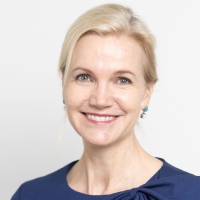
Dr Belinda Welsh

Dermatologist; Founder, Co-Director, Principal Dermatologist, Complete Skin Specialists
Dr Belinda Welsh is a dermatologist with 20 years of experience. She has a subspecialty focus on treating rosacea and facial redness, acne and other forms of scarring, birthmarks and sun-damaged skin among other medical problems with lasers and energy-based devices.

She has broad experience using medical treatments and laser technology to manage acne in various forms, particularly acne scarring. She understands the significant impact on a patient’s self-esteem and quality of life of living with these conditions. She is currently working on advanced techniques using vascular, pigment and fractionated laser systems for treating acne and surgical scars. Her professional interests also include facial rejuvenation with cosmetic injectables. She works in both private and public systems and has been involved in training and teaching. She has been a Chair of the Victorian Faculty of the Australasian College of Dermatologists, and is a current associate editor of the Australasian Journal of Dermatology.

More from this expert

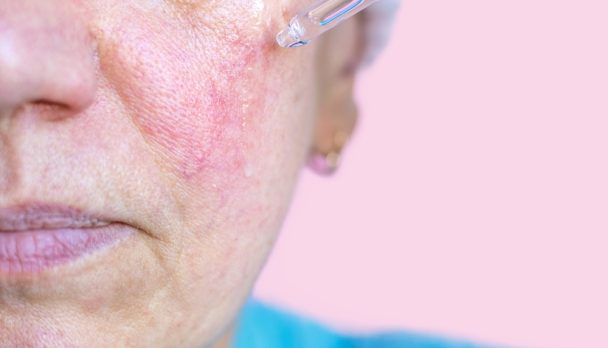
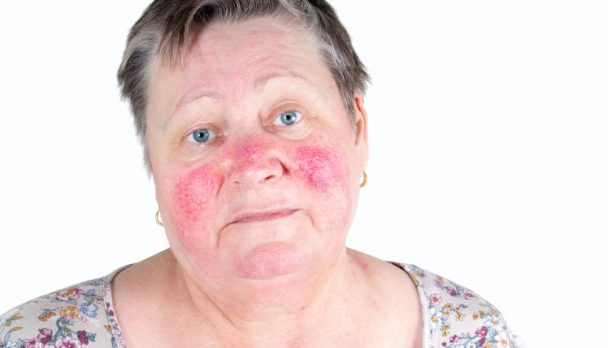
Rosacea is a common skin condition that is often mistaken for acne or other facial dermatoses. In this quick case video, Melbourne based Dermatologist, Dr Belinda Welsh provides practical insights...

Videos iconVideos

Dermatologist Dr Belinda Welsh discusses the most important and distinguishing features of rosacea that will help clinicians.

Podcasts iconPodcasts

Dr Belinda Welsh presents practical diagnostic insights and management strategies tailored for general practice.

Videos iconVideos

Upcoming Healthed Webcast

Tune in for "Facial rashes case studies - Practical guide to assessment and management" lecture

Tuesday 9th June, 7pm - 9pm AEST

Speaker

Dr Philip Tong

Consultant Dermatologist; Founder, DermScreen, Dermatology Junction; Visiting Medical Officer, St Vincent’s Hospital Sydney

What does it mean when a facial red rash does not respond to topical steroids and gets worse with the treatment? Dermatologist Dr Philip Tong presents a series of cases with this scenario.